

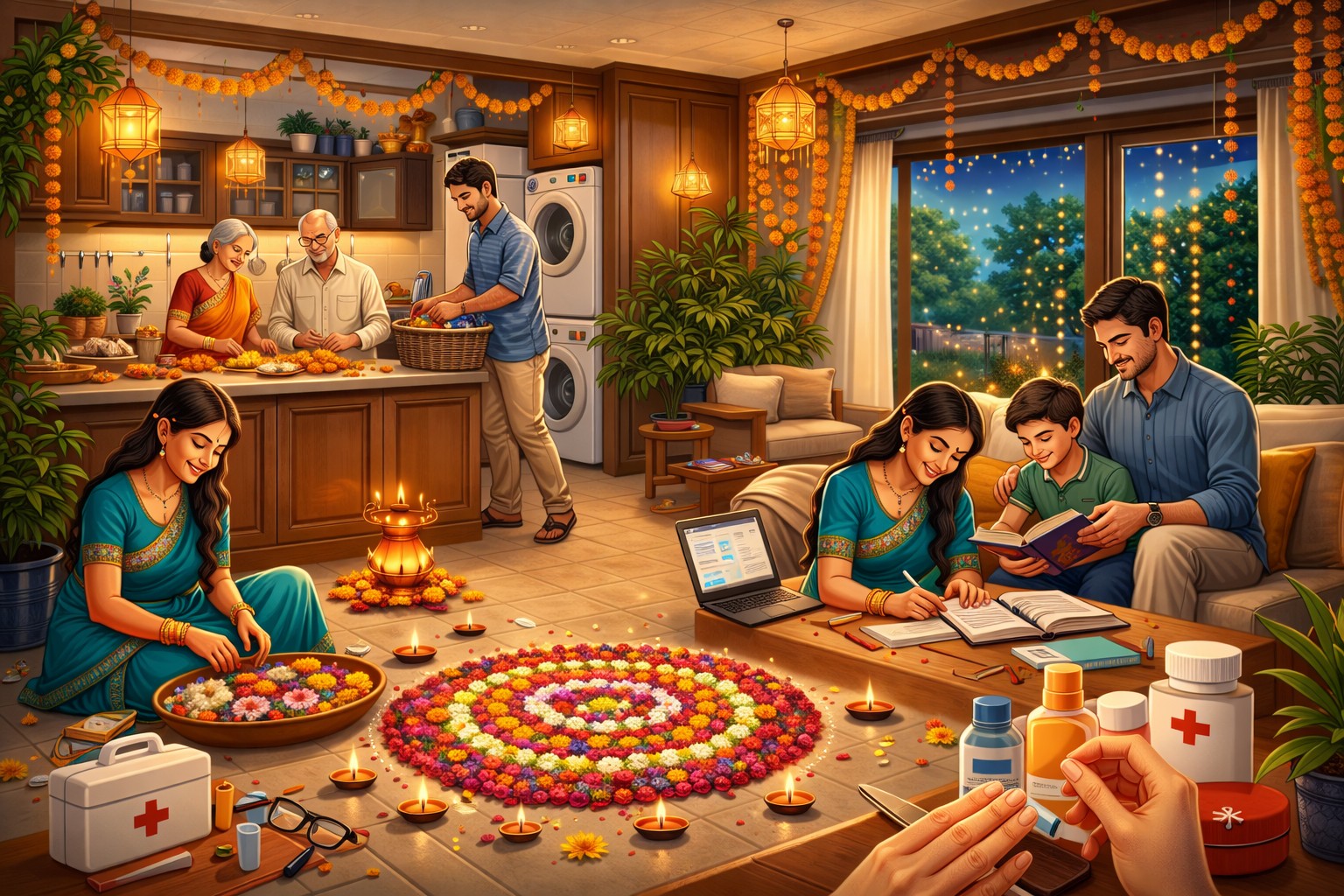
Chapter 1 — Home Science Is Not a Gender, It Is a Life Skill
Home Science is often misunderstood because it is historically linked to the home and the role of women. When people hear “Home Science,” they picture cooking, stitching, or cleaning. They imagine a classroom where girls learn to manage a household while boys learn “real subjects.” But this view is outdated and incomplete. Home Science is not about gender roles. It is about understanding the science of human life, family relationships, and living environments. It teaches how people grow, how families function, how food affects the body, how resources are managed, and how communities develop. These are not skills that belong to women alone. They belong to every person who wants to live a healthy, meaningful life. The central truth of Home Science is that it is a science of living, and living is something that everyone does, regardless of gender.
Chapter 2 — Nutrition: A Science for Men and Women
Nutrition is one of the strongest pillars of Home Science, and it applies equally to men and women. Nutrition is not simply about eating; it is about how food transforms into energy, how vitamins and minerals support bodily functions, and how diet influences physical and mental health. A young man training for sports needs protein and balanced calories to build muscle, but he also needs micronutrients like iron and zinc to maintain immunity and mental focus. A young woman preparing for motherhood needs nutrition not only for her own health but also for the health of the child she may carry. Home Science teaches both of them the scientific logic behind diet planning, the role of nutrients, and the way lifestyle choices can prevent diseases. When a father learns about nutrition, he becomes capable of preparing meals that support the entire family. When a mother learns nutrition, she becomes capable of managing the health of the household with confidence. In this way, nutrition becomes a shared knowledge that empowers every adult.
Chapter 3 — Human Development: A Shared Responsibility
Human development is a field within Home Science that studies how humans grow from infancy to old age. It explores cognitive growth, emotional development, social skills, and behavioral patterns. These insights are essential for parents, caregivers, and teachers. In a modern family, both men and women play vital roles in child development. Consider a father who understands the emotional needs of a child. He learns to listen without judging, to support without controlling, and to guide without fear. This creates a strong bond that helps the child develop confidence. A mother who understands adolescence can support her teenager through mood swings and confusion, helping them navigate identity and self-esteem. Home Science teaches that development is not a task for one parent; it is a shared responsibility. It shows that emotional intelligence and supportive communication are essential skills for everyone.
Chapter 4 — Resource Management: Life’s Practical Intelligence
Resource management is another core area of Home Science. It includes budgeting, planning, time management, and sustainable living. Resource management is not about who earns or who spends; it is about how wisely a household or an individual uses available resources. A young couple living in a rented apartment can use resource management to plan meals, manage expenses, save for future goals, and reduce waste. A man running a small business uses similar principles when he plans inventory, manages costs, and saves profits for growth. Home Science teaches that resource management is practical intelligence, and practical intelligence is essential for both men and women. It transforms daily life into a structured process, making life less stressful and more meaningful.
Chapter 5 — Communication: The Science of Relationships
Communication is a central part of Home Science because it is the foundation of healthy relationships. Home Science studies how communication affects family harmony, emotional wellbeing, and conflict resolution. Communication is not only about speaking; it is also about listening, understanding, and responding with empathy. In a family, effective communication helps partners solve misunderstandings, share responsibilities, and support each other emotionally. When a couple learns to communicate honestly and calmly, their relationship becomes stronger. In contrast, poor communication creates distance, anger, and resentment. Home Science teaches communication as a skill that improves human relationships. It is not a “soft skill,” but a scientific tool that strengthens families. Both men and women need it equally to build strong bonds and a balanced home environment.
Chapter 6 — Textiles and Clothing: Identity, Comfort, and Science
Home Science includes the study of textiles and clothing, which is not just about fashion. It is about understanding materials, comfort, durability, and cultural identity. Clothes affect health and comfort. In hot climates, choosing breathable fabrics can prevent skin infections and heat stress. In cold climates, choosing insulating materials can protect against illness. A man working in a factory needs clothing that protects him from dust and heat. A woman working in a laboratory needs clothing that is safe and comfortable. Home Science teaches the science of textiles so that people can choose clothing that supports their lifestyle, health, and cultural expression. This knowledge is important for both genders, because everyone wears clothes, and everyone benefits from understanding them.
Chapter 7 — Food Technology: Modern Science at the Kitchen Table
Food technology is the modern extension of Home Science. It studies food processing, preservation, safety, and innovation. Food technology is not limited to laboratories; it begins in kitchens. A person who understands food technology can prevent foodborne illnesses by applying basic hygiene and preservation methods. A man working long hours can use this knowledge to prepare healthy meals that last longer without losing nutrition. A woman managing a family can use food technology to plan nutritious meals for the week, reducing waste and saving time. Home Science connects traditional cooking with modern science, showing how food can be made safer, healthier, and more sustainable. It empowers people to make informed choices about food, regardless of gender.
Chapter 8 — Home Science and Health: Preventive Medicine for Everyone
Home Science is closely linked with health because it teaches preventive measures that protect families from illness. It includes knowledge of hygiene, sanitation, and lifestyle management. Health is not a personal issue; it is a family and community issue. When a man learns hygiene and health practices, he becomes capable of protecting his family from diseases. When a woman learns about health, she becomes capable of managing the wellbeing of her household. Home Science teaches that health is built through daily habits — clean water, balanced diet, proper sleep, and emotional stability. It teaches that prevention is better than cure. In this way, Home Science becomes a science of health for all.
Chapter 9 — Home Management: Building a Balanced Life
Home management is about building systems that make life smoother. It includes cleaning, organizing, planning, and creating a comfortable living environment. Home management is not about doing all the work alone; it is about creating a balanced life. A man who shares home management responsibilities becomes a partner, not a burden. A woman who applies home management skills becomes more confident and independent. Home Science teaches that a home is not a place; it is a living system that requires care, planning, and emotional support. It shows that a balanced home is built through cooperation, not gender roles.
Chapter 10 — Family Dynamics: The Heart of Home Science
Home Science studies family dynamics, which means how family members interact and support each other. Family is the first social environment for a child, and it shapes their personality, values, and emotional strength. A home where parents communicate openly and respect each other becomes a place of safety and growth. A home where communication is missing becomes a place of fear and loneliness. Home Science teaches that family is built through love, discipline, and shared responsibility. It is not built through stereotypes or expectations. When men and women share responsibility equally, the family becomes stronger and happier. This is the true power of Home Science.
Chapter 11 — Psychology and Emotional Wellbeing: A Shared Knowledge
Home Science includes psychology because human behavior and emotions influence every part of life. It teaches how stress affects the body, how emotions influence decisions, and how relationships shape mental health. Both men and women face emotional challenges. A man may struggle with societal pressure to be strong, while a woman may struggle with expectations to be perfect. Home Science teaches that emotional wellbeing is not a weakness; it is a human need. It teaches coping strategies, mindfulness, and supportive communication. It helps people understand themselves and others. This knowledge is essential for all humans, because emotional wellbeing is the foundation of a meaningful life.
Chapter 12 — Community Development: Home Science Beyond the Home
Home Science is not limited to the home; it extends to communities. It includes public health awareness, nutrition programs, and social development. Home Science professionals work in NGOs, government programs, and community projects to improve living standards. A male community worker may educate people about sanitation, while a female worker may teach mothers about child nutrition. Both roles are equally important because community development requires collaboration. Home Science teaches that social change begins at home, and it empowers people to create positive change in society. It shows that a better society is built when individuals understand health, nutrition, and relationships.
Chapter 13 — Careers in Home Science: Equal Opportunities
Home Science is a powerful field for career growth because it combines science, human understanding, and practical skills. Home Science graduates can become nutritionists, dieticians, child development specialists, textile designers, food technologists, and community workers. These careers are open to both men and women. A man can become a nutrition counselor, helping patients manage health through diet. A woman can become a textile designer, creating innovative clothing. Home Science equips people with knowledge that is highly valuable in today’s world. It is a subject that offers professional opportunities and personal growth, regardless of gender.
Chapter 14 — The Future of Home Science: A Discipline for Modern Life
Home Science is not old-fashioned; it is future-ready. It includes modern topics like sustainable living, smart home technology, mental health awareness, and digital communication. In today’s world, people face lifestyle diseases, environmental problems, and digital stress. Home Science provides scientific knowledge to tackle these challenges. It teaches how to build a healthy, balanced, and sustainable life. Home Science is a discipline that supports both men and women in living consciously and responsibly. It is a science of life, and life is for everyone.
Epilogue — Books and References (For Further Reading)
Home Science draws knowledge from various scientific and social fields. For deeper understanding, these books and references are highly recommended:
1. “Nutrition and Dietetics” by M. Swaminathan
This book explains nutrition science with practical applications.
2. “Human Development: A Life Span View” by Robert Kail and John Cavanaugh
It offers a scientific understanding of human growth and development.
3. “Family Resource Management” by Frances K. Smith and Jeanne M. Holler
This book explains how families manage time, money, and resources.
4. “The Psychology of Human Behavior” by various authors
It helps understand emotions, relationships, and mental wellbeing.
5. “Food Science and Technology” by Norman N. Potter
A modern reference for food technology and safety.
6. “Communication Skills” by various authors
To learn the science of effective communication in relationships and society.
Appendix — Data-Backed Problems Home Science Can Solve

1. Malnutrition and Undernutrition
According to the National Family Health Survey (NFHS-5), India still has a high rate of malnutrition among children. Around 35% of children under 5 are underweight, and 32% are wasted. This indicates a major issue in diet quality, food security, and child care practices.
How Home Science helps:
Home Science teaches nutrition science and child development. It enables families to plan balanced diets, understand the nutritional needs of children, and manage household food resources. It also helps parents understand how feeding practices, hygiene, and child care affect growth.
2. Rising Lifestyle Diseases
India is facing an increasing number of lifestyle diseases such as diabetes, hypertension, and obesity. The World Health Organization (WHO) reports that over 77 million people in India have diabetes, and the number is rising. Poor diet, lack of physical activity, and unhealthy habits are major causes.
How Home Science helps:
Home Science educates individuals about balanced diet planning, physical activity, and preventive health. It teaches the science behind nutrition, the role of exercise, and the importance of mental wellbeing. This helps families make informed lifestyle choices that reduce the risk of disease.
3. Food Wastage
Food wastage is a major issue in India. Studies show that around 40% of food produced in India is wasted every year. This waste happens due to poor planning, lack of storage knowledge, and inefficient resource management.
How Home Science helps:
Home Science teaches food preservation, planning, and resource management. It helps families reduce waste through better meal planning, proper storage, and creative use of leftovers. It also promotes sustainable living, which reduces food wastage.
4. Poor Hygiene and Sanitation
Despite progress, hygiene and sanitation are still concerns. The National Health Mission reports that poor sanitation contributes to high rates of diarrhea and other infections among children, especially in rural areas.
How Home Science helps:
Home Science teaches hygiene, sanitation, and health practices. It empowers families to maintain clean environments, practice safe water usage, and follow healthy habits. It also helps in spreading awareness through community programs.
5. Mental Health Issues
Mental health issues are rising in India, especially among youth. The National Mental Health Survey reports that about 15% of Indian adults need active mental health interventions.
How Home Science helps:
Home Science includes psychological wellbeing, stress management, and communication. It teaches families how to support each other emotionally, how to handle stress, and how to build a supportive environment. This reduces mental health problems and improves emotional resilience.
6. Gender Inequality in Domestic Work
Studies show that women still do the majority of household work, even when both partners are working. This creates stress, imbalance, and inequality. According to the Time Use Survey, Indian women spend nearly 6 times more time on unpaid domestic work than men.
How Home Science helps:
Home Science challenges stereotypes by teaching home management and communication to both men and women. It encourages shared responsibilities, better planning, and equal participation. It helps build balanced relationships where both partners contribute.
7. Poor Financial Management
Financial instability is a major cause of stress in families. Many families struggle with budgeting, savings, and resource planning. This leads to debt, stress, and conflict.
How Home Science helps:
Home Science teaches budgeting, planning, and resource management. It helps families manage expenses, save money, and plan for future goals. It builds financial literacy that supports long-term stability.
8. Lack of Nutrition Awareness in Women and Pregnant Mothers
Maternal health is crucial for child development. NFHS data shows that maternal malnutrition and anemia are still common among women in India.
How Home Science helps:
Home Science provides knowledge about maternal nutrition, prenatal care, and child care practices. It empowers women and families to improve maternal health through proper diet, hygiene, and health monitoring.
9. Child Development Challenges
Children face issues like low attention, behavioral problems, and emotional distress due to lack of supportive environment and understanding.
How Home Science helps:
Home Science teaches child psychology and development. It helps parents create supportive environments, understand emotional needs, and guide children through developmental stages.
10. Waste Management and Sustainable Living
India produces millions of tons of household waste every year. Improper waste management causes pollution and health hazards.
How Home Science helps:
Home Science teaches waste management, recycling, and sustainable living. It encourages composting, reducing plastic use, and creating eco-friendly habits. This helps reduce environmental problems at the household level.
11. High Rates of Anemia in Women and Girls
India has one of the highest rates of anemia globally. NFHS-5 reports that around 57% of women (15–49 years) and about 59% of adolescent girls are anemic. This affects energy levels, productivity, and pregnancy outcomes.
How Home Science helps:
Home Science teaches nutrition science and dietary planning, especially the importance of iron, folic acid, and vitamin C. It also promotes food combinations that increase iron absorption, like pairing greens with citrus fruits. This knowledge helps families plan meals that reduce anemia and improve overall health.
12. Low Breastfeeding and Child Feeding Practices
Despite awareness, many mothers still face challenges with breastfeeding and child nutrition. NFHS data shows that exclusive breastfeeding rates are not optimal, and many children receive inadequate complementary feeding.
How Home Science helps:
Home Science teaches child development and nutrition, including breastfeeding, weaning, and complementary feeding. It helps mothers understand the importance of early nutrition and supports them with practical knowledge about feeding schedules, hygiene, and balanced meals for children.
13. High Rates of Food Adulteration
Food adulteration is a major issue in India, affecting health and safety. Reports show that adulterated food causes many health problems and long-term diseases.
How Home Science helps:
Home Science teaches food safety, hygiene, and food testing basics. It empowers families to identify adulterated food, understand labels, and follow safe food storage. It also promotes awareness of safe buying practices and cooking hygiene, which reduces the risk of illness.
14. Stress and Burnout Among Working Adults
Work pressure, long hours, and lifestyle imbalance cause stress and burnout. According to studies, a significant percentage of urban working adults experience high stress, affecting health and family relationships.
How Home Science helps:
Home Science teaches time management, stress management, and emotional wellbeing. It helps people plan balanced routines, manage work-life balance, and practice mindfulness and supportive communication. It reduces stress and improves mental health by building a stable home environment.
15. Lack of Healthy Eating Habits Among Youth
With the rise of fast food and online food delivery, youth are developing unhealthy eating habits. Studies show an increase in obesity and unhealthy diet patterns among adolescents and young adults.
How Home Science helps:
Home Science teaches nutrition and healthy meal planning, helping young people understand the consequences of unhealthy eating. It promotes balanced diets, food preparation skills, and awareness about processed food. This reduces obesity and lifestyle diseases in youth.
16. Unsafe Home Environments for Children
Many accidents happen at home due to unsafe environments, especially among children. Issues like kitchen burns, falls, poisoning, and electrical accidents are common.
How Home Science helps:
Home Science teaches home safety, hazard prevention, and first aid. It helps families create safer environments, especially for children, and teaches emergency response skills. This reduces accidents and improves family safety.
17. Lack of Knowledge About Hygiene and Sanitation in Rural Areas
Although sanitation programs have improved access, many rural areas still lack awareness about hygiene practices. This leads to high rates of infections and diseases.
How Home Science helps:
Home Science promotes community health awareness and hygiene education. It helps rural communities understand the importance of clean water, sanitation, and hygienic food handling. It supports government programs and improves public health through education.
18. Poor Sleep and Lifestyle Imbalance
Modern lifestyles often disrupt sleep patterns, leading to fatigue, reduced productivity, and mental health issues. Studies show that poor sleep is a major health concern among urban populations.
How Home Science helps:
Home Science teaches the science of sleep, lifestyle balance, and time management. It helps people create routines that support healthy sleep, reduce screen time, and improve overall wellbeing. This improves physical and mental health.
19. Lack of Awareness About Menstrual Health
Menstrual health is still a taboo topic in many communities. Poor awareness leads to infections, discomfort, and emotional distress among girls and women.
How Home Science helps:
Home Science educates about menstrual hygiene, nutrition during menstruation, and emotional support. It reduces stigma and improves health by teaching safe practices, proper hygiene, and awareness. This empowers women and girls to manage menstrual health confidently.
20. Environmental Pollution Due to Household Waste
Household waste, especially plastic, contributes to environmental pollution. Many households do not practice recycling or proper waste disposal.
How Home Science helps:
Home Science teaches sustainable living, waste segregation, and recycling. It encourages composting and reducing plastic use. This helps households reduce their environmental footprint and contribute to cleaner communities.
21. Relationship Issues, Communication Breakdowns, and Divorce
Modern relationships face growing stress due to poor communication, emotional disconnection, and unresolved conflicts. Studies show that communication problems are among the top causes of relationship breakdowns and divorce, with around 35–60% of separated couples citing communication issues as the main reason. In India, while the overall divorce rate is lower, communication gaps and emotional incompatibility remain key reasons for marital dissatisfaction and separation, especially in urban areas.
Home Science addresses these issues by teaching communication and relationship skills to both men and women. It helps partners express feelings clearly, listen actively, resolve conflicts peacefully, and build emotional intimacy. By strengthening communication and understanding, Home Science supports healthier, more stable relationships and reduces the risk of long-term conflicts.
22. Appearance, Grooming, and Ageing: Practical Life Skills
Appearance and grooming are not just about looks — they are linked to health, confidence, and self-respect. Home Science teaches practical skills such as skin care, hair care, nail hygiene, and ageing management. These skills help both men and women maintain personal hygiene, prevent infections, and feel confident in social and professional life. Understanding ageing traits like wrinkles, hair thinning, and skin dryness also helps in adopting healthy habits early, such as balanced nutrition, proper sleep, stress management, and safe grooming practices.
By learning these skills, individuals can manage their appearance in a healthy and sustainable way, while also developing a positive self-image and self-care routine.
23. Protecting Healthy Traditions
Home Science helps preserve the positive, healthy aspects of festivals and cultural traditions while preventing practices that may be harmful or wasteful. Festivals are not just celebrations — they shape family bonds, community identity, and emotional well-being. Home Science supports traditions that promote togetherness, mental health, sustainability, and cultural values.
For example, many festivals include the tradition of family gatherings and rituals, which strengthen emotional connections and create a sense of belonging. Home Science encourages these practices because they support mental well-being and family unity.
Another example is traditional crafts and handiwork during festivals, such as making rangoli, decorating homes with flowers, or creating handmade gifts. Home Science helps preserve these traditions by promoting creativity, cultural pride, and local skills, while also encouraging safe and eco-friendly materials.
Home Science also supports festival cleanliness and hygiene, like using natural decorations, avoiding excessive waste, and promoting safe lighting and firework practices. It teaches how to celebrate joyfully while protecting health and the environment.
By understanding the meaning behind cultural traditions, Home Science protects the healthy core of festivals and helps families celebrate in a balanced, sustainable way.